Disputed Areas and City Figures, Explained
Two changes make Geocore's maps and numbers easier to read and easier to trust. Disputed areas are now marked the same neutral way on every map, and every city's population is measured the same way, with each game saying how. Both are live in your browser at geocore.fun/play.
Disputed areas, marked on every map
Some areas of the world have a disputed status. Every map on Geocore now marks them the same way, with a light diagonal hatch: the globe, the flat world map, every country's map and every quiz. The country outlines stay as they were; the hatch is drawn over them, so a disputed area never looks like a country of its own.
- Hover over a hatched area, or tap it, to see "Disputed area". Where the game is already showing place names, it names the area too.
- Open a place's info to read a short, neutral note on any disputed area it includes. A place whose own status is disputed carries a note as well.
- Zoomed out, the hatch fades to a faint texture, so it never crowds the world map. Zoom in and it shows at full strength, in long, quiet diagonal lines.
- Legends say what it means. The Atlas's maps and the classroom reports read "Hatched: disputed areas".
Nothing about play changes. Quizzes keep their answers, and clicking and scoring work exactly as before.
:::note Why a hatch A hatch marks an area as disputed without drawing a new border or taking a side. The hatch tells you the status is contested; the place's info tells you a little more. :::
City populations, measured one way
A city's population can be counted in very different ways: inside its city limits, across its wider metro area, or across a whole municipality that takes in towns and farmland around it. Geocore's city figures used to mix the three, so a ring game could rank a city below one that is smaller by the same measure.
Now every city is measured one way:
Populations within city limits, from official census figures and estimates.
City limits are the boundary each country draws and counts in its own census, so every city is compared like with like. More than 1,300 cities were checked against it, and dozens of cities that had no figure at all now have one. A few changes you may notice:
- Shanghai now ranks above Beijing, Shenzhen and Guangzhou.
- Tokyo counts its 23 central wards.
- Lisbon ranks above Porto.
The city games say how they measure, in their How to play: "Cities are ranked by population within city limits, not the wider metro area." So do the city quizzes, and the ring games' reveals.
Tip: in Largest City in the Ring, think city limits, not skyline. A city that sprawls far into its suburbs can count fewer people inside its limits than you expect.
When the dailies change
The dailies move to the new figures on October 28, 2026. A daily you have already played keeps the figures it was dealt, so its board stays fair to everyone who played it.
City Curve on the new figures
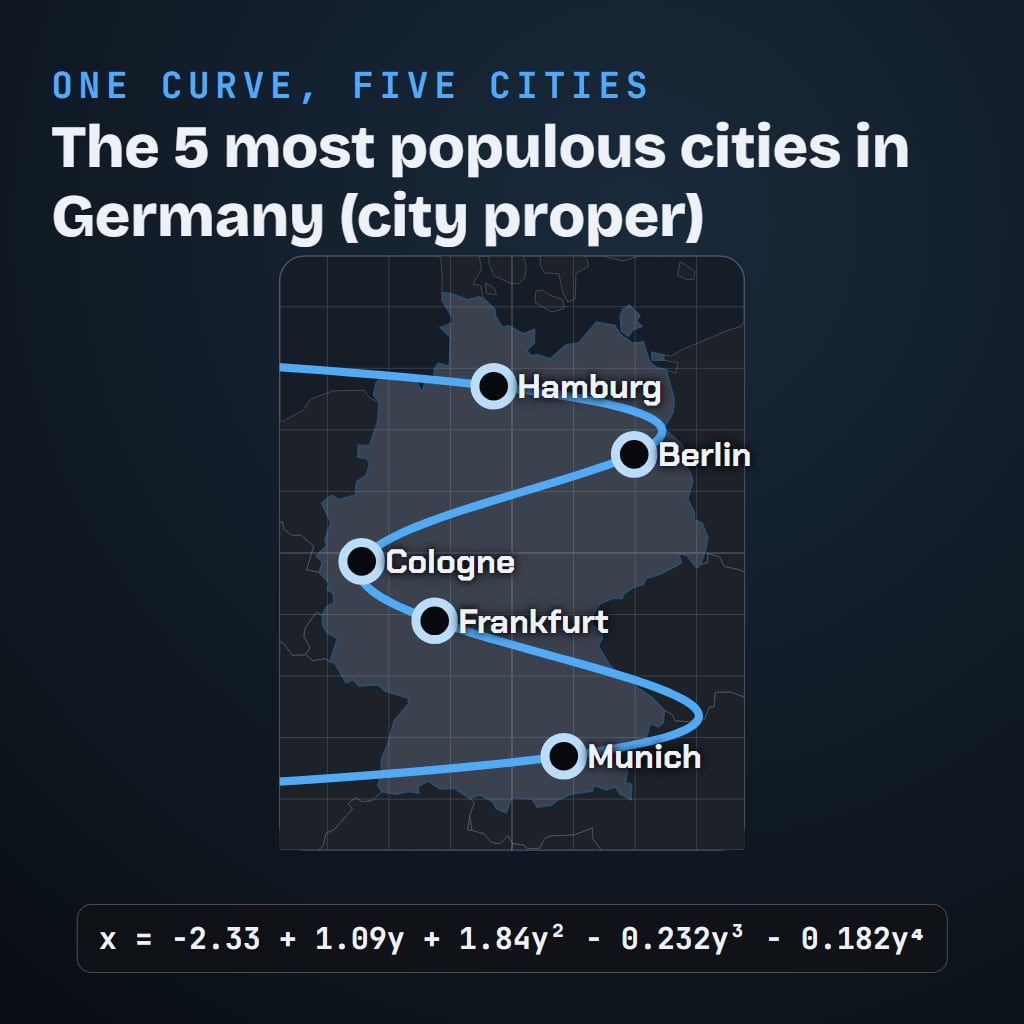
City Curve draws one curve through a country's most populous cities. From October 29, 2026 it ranks them within city limits too, like every other city game. The bests you have already set stay as they were.
Related reading
- Ring Games, World States and Make Your Own, for how the ring games play
- Explore the Atlas, with every country's facts and rankings
Play now · See what Pro unlocks
- The Geocore Team